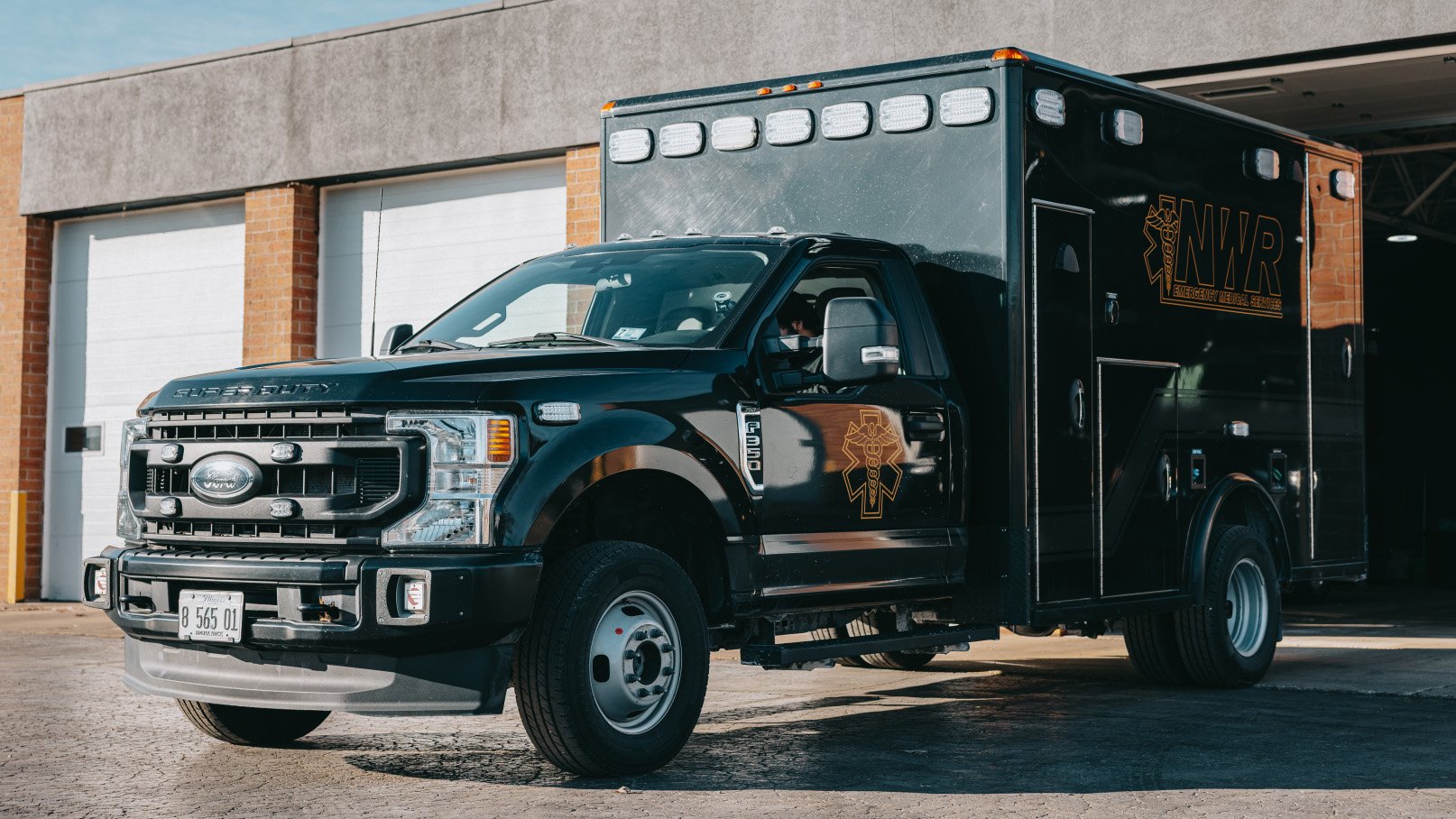
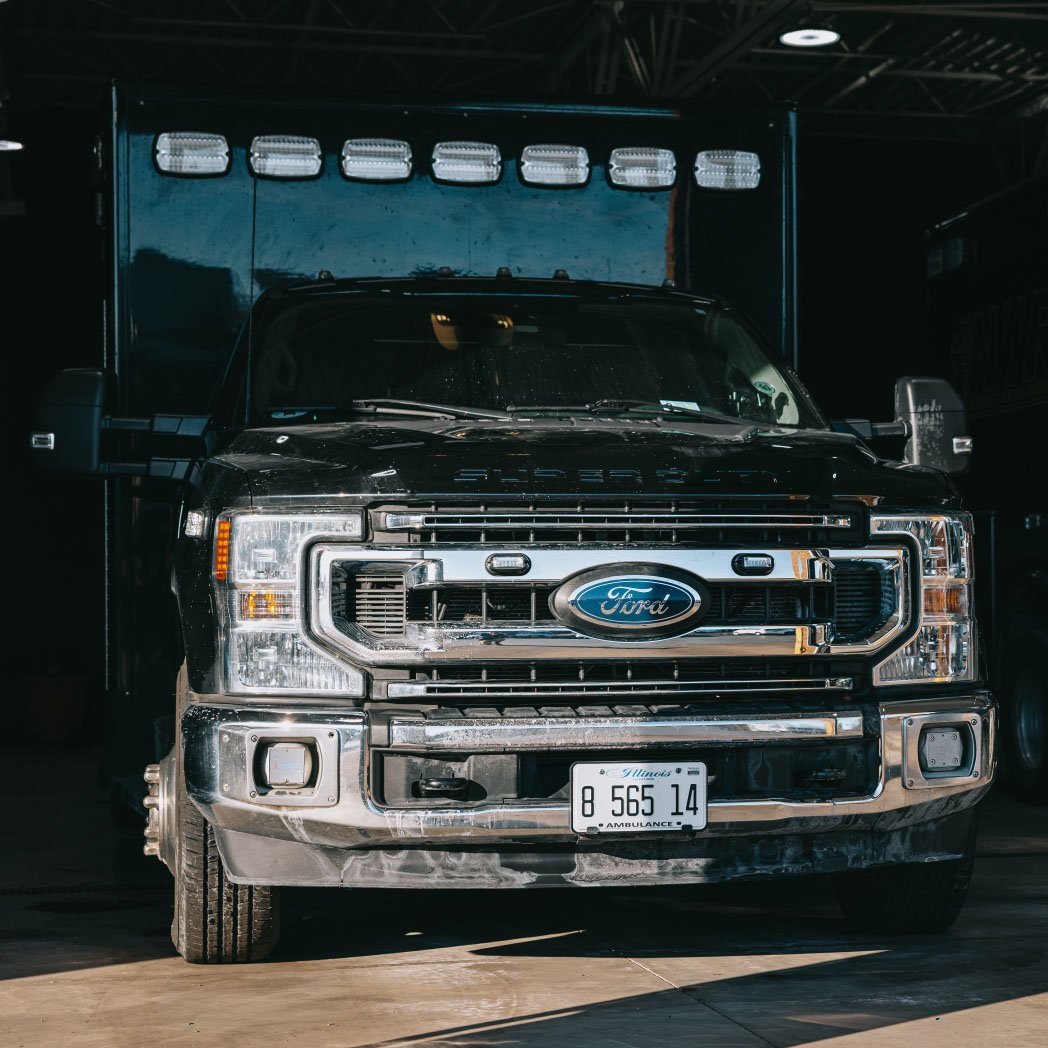
Basic Life Support Ambulance in Northern Illinois
Safe, professional medical transport for stable patients. Focused on comfort, dignity, and dependable care.
What Is Basic Life Support?
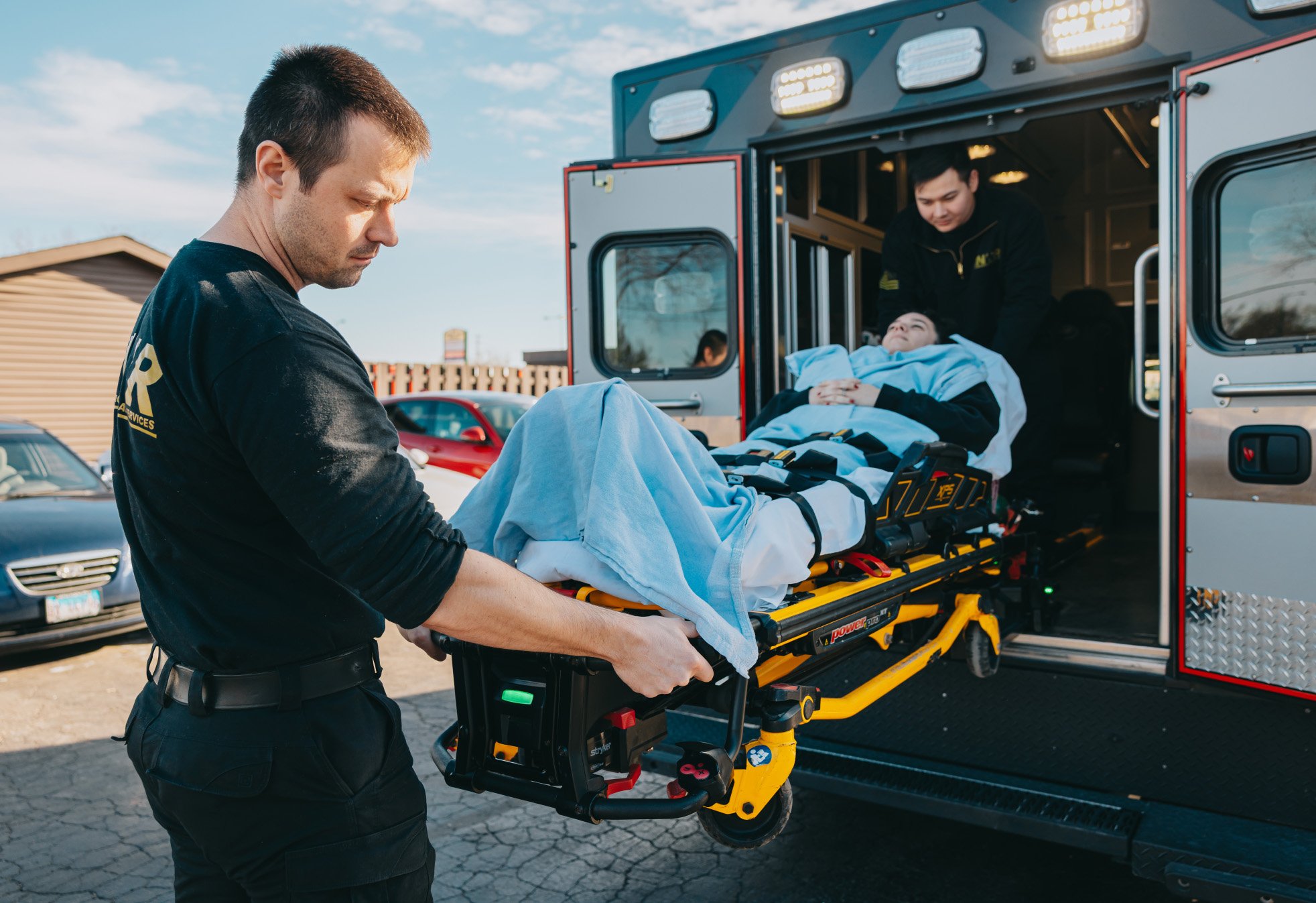
Basic Life Support (BLS) is a level of medical transport designed for patients who are medically stable but require professional assistance during transport. BLS services support patients traveling to and from hospitals, nursing facilities, rehabilitation centers, dialysis appointments, and outpatient procedures. While these transports are typically non-emergency, they still require trained medical personnel to ensure patient safety, comfort, and monitoring throughout the journey.
When Is BLS the Right Choice?
BLS transport is commonly used for patients who:
Are Unable To Safely Travel By Personal Vehicle
Require Medical Supervision During Transport
Have Limited Mobility Or Need Stretcher Transport
Are Being Discharged From A Hospital Or Care Facility
Need Scheduled Transport To Medical Appointments
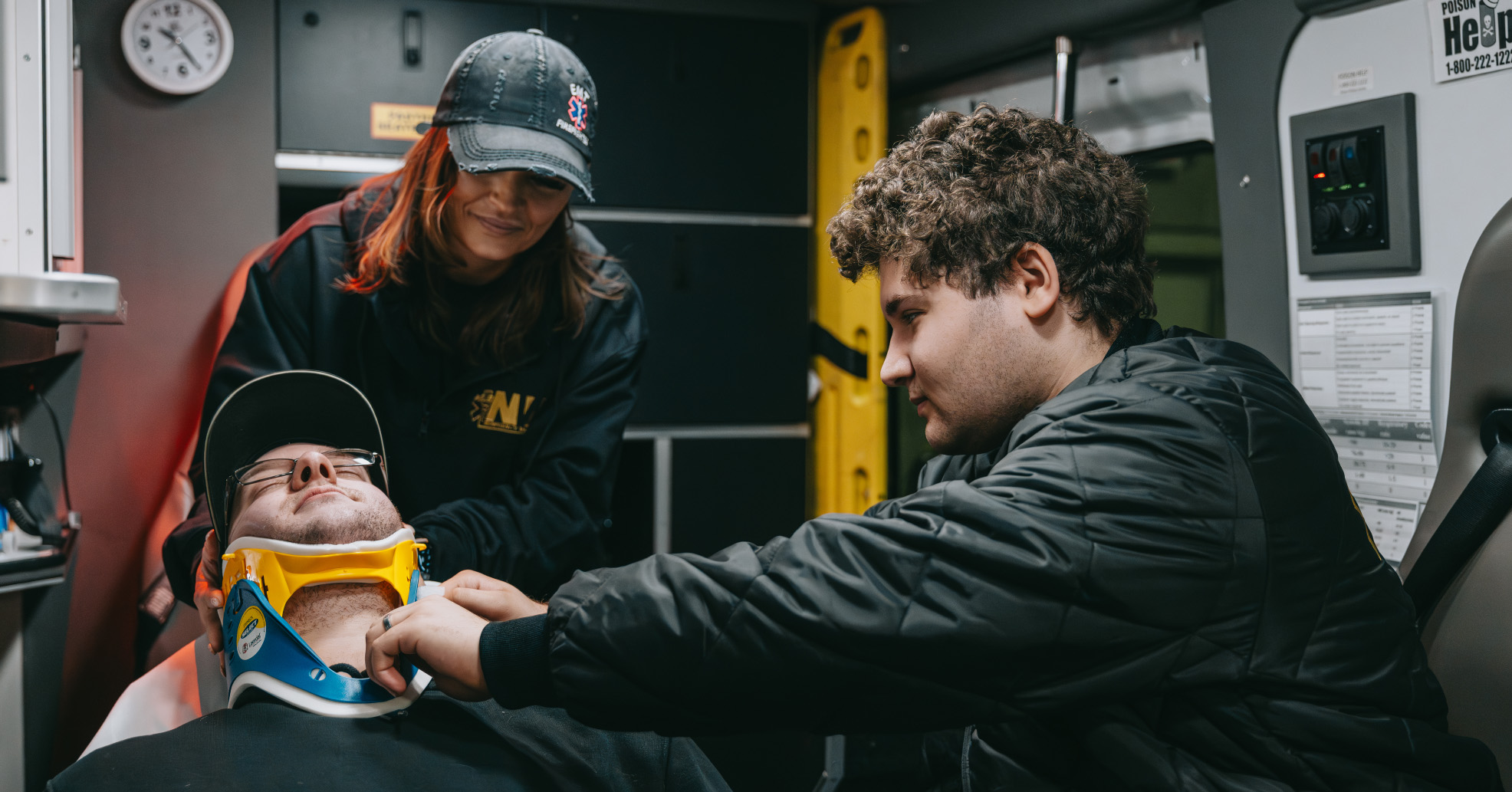
How BLS Transport Works
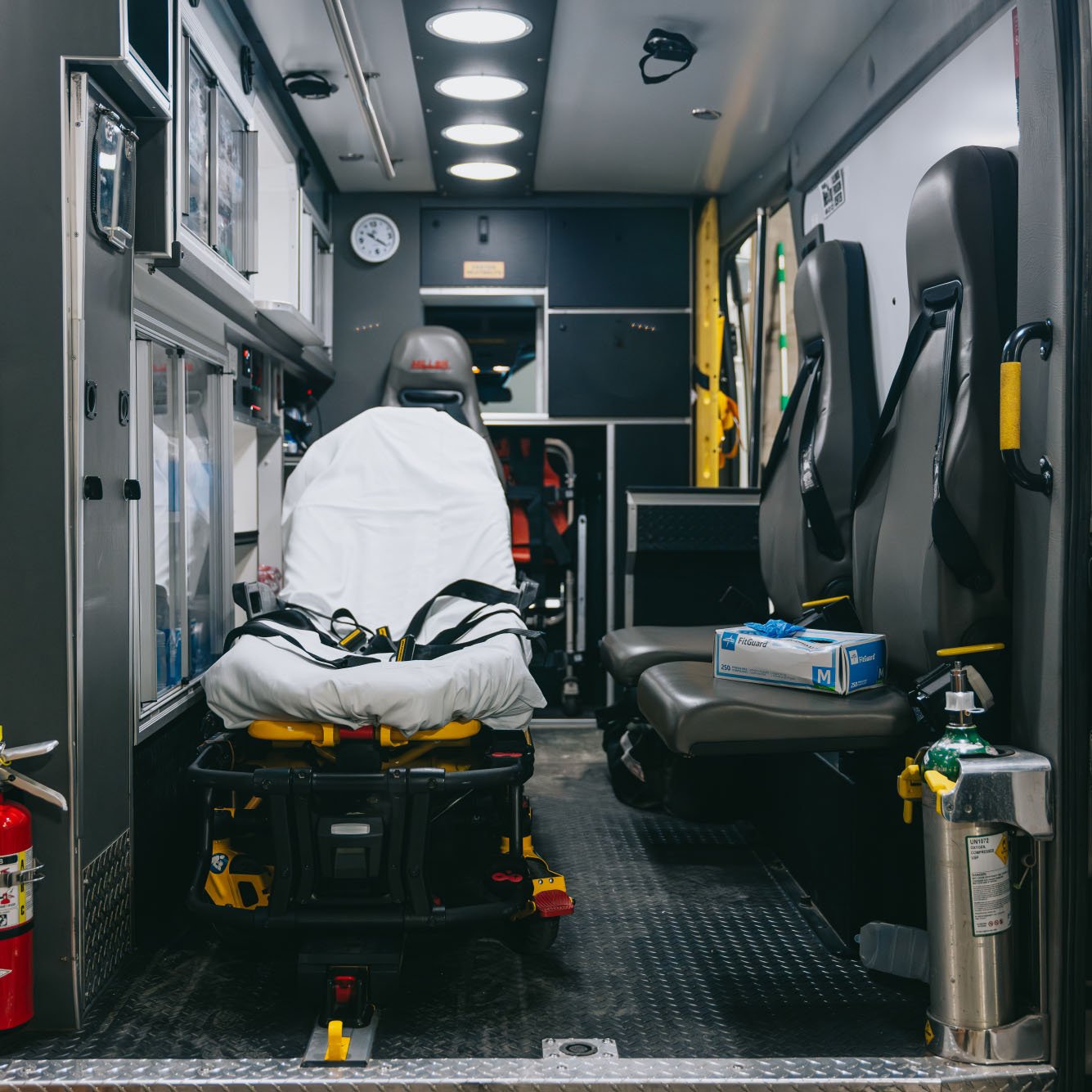
Step 1
Transport Coordination
Transport is scheduled through healthcare facilities, care coordinators, or directly with Northwest Rescue.
Step 2
Trained EMT Staffing
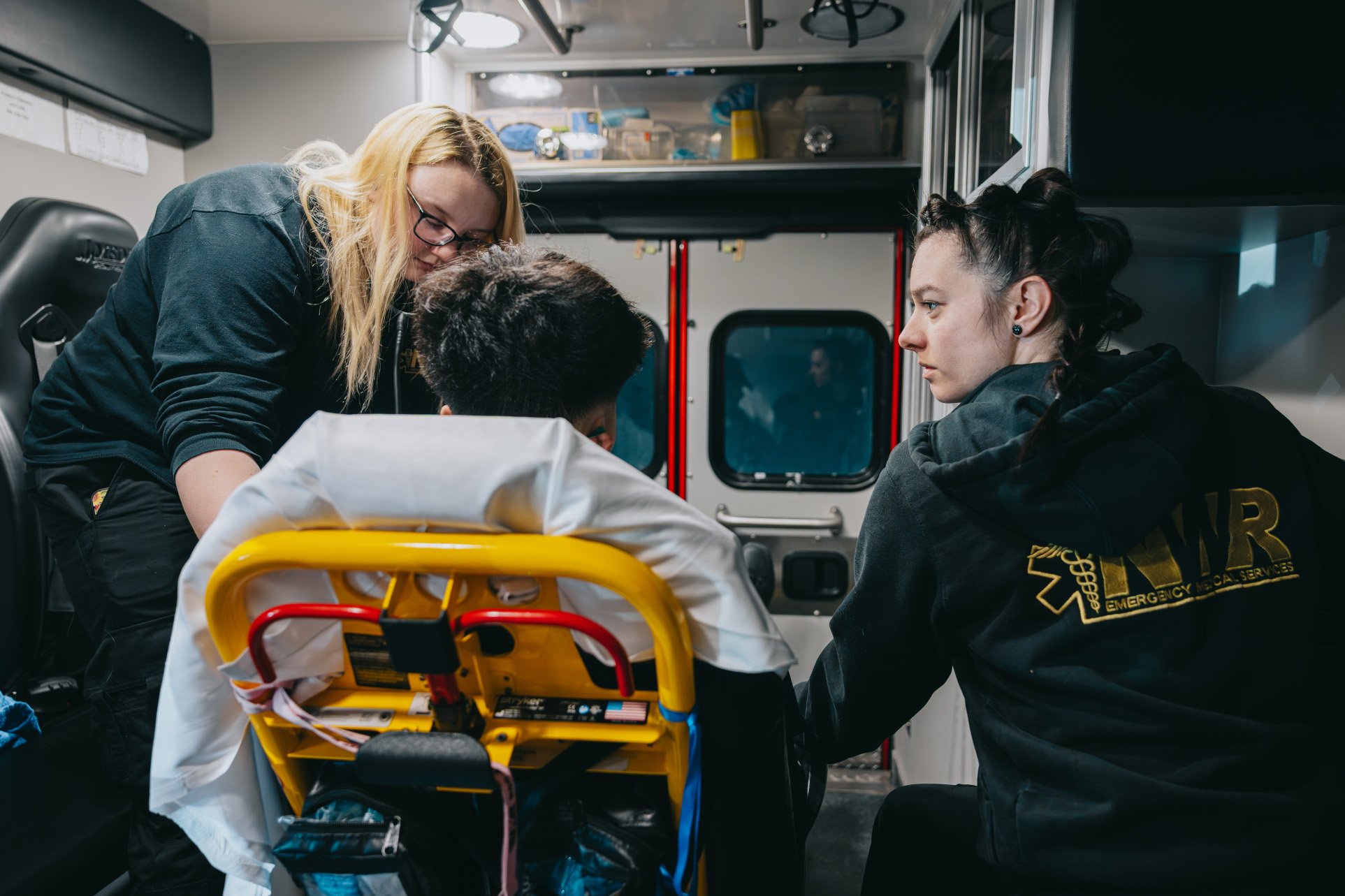
BLS ambulances are staffed by licensed Emergency Medical Technicians trained in patient assessment and basic medical care.
Step 3
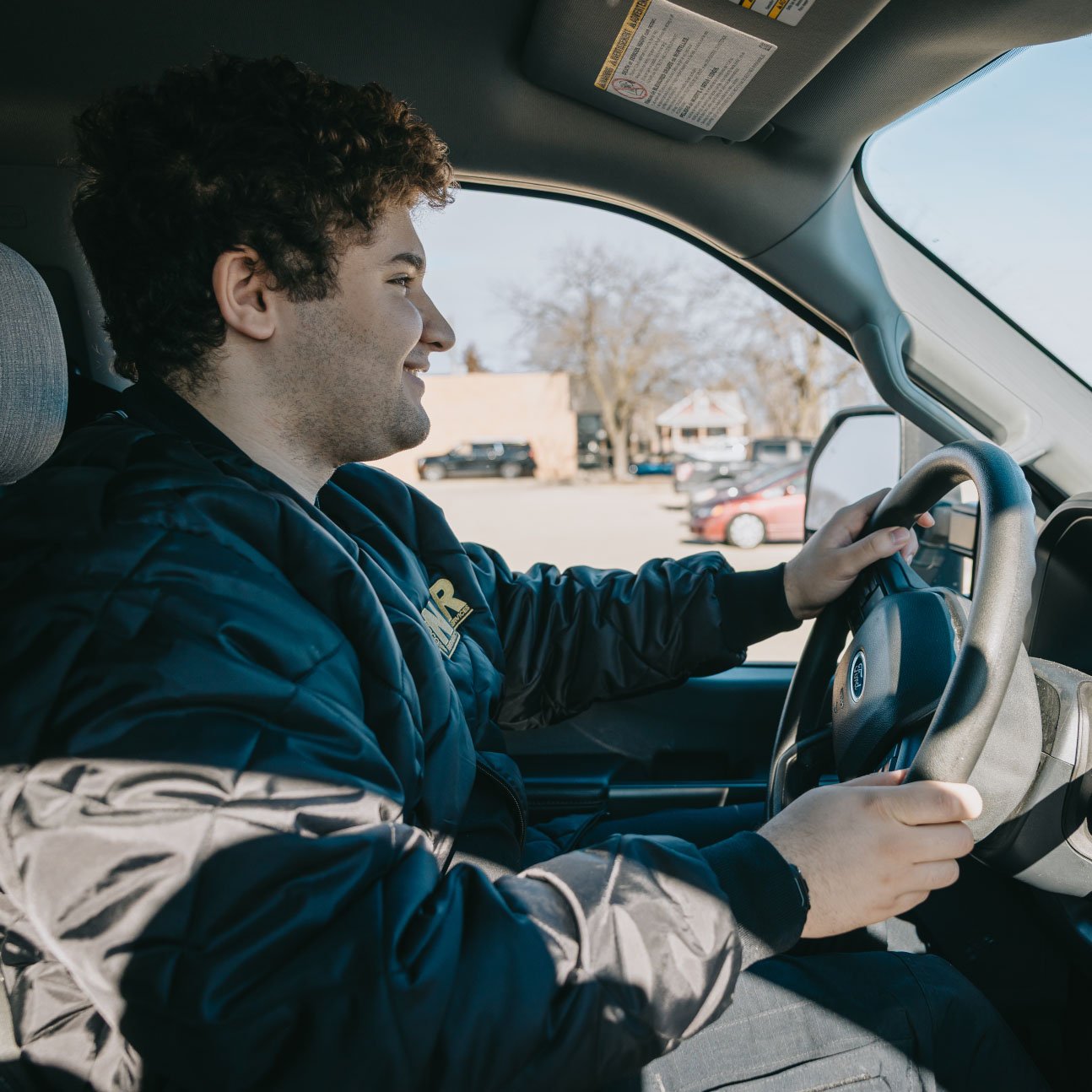
Safe, Comfortable Transport
Patients are monitored throughout transport, with a focus on comfort, safety, and dignity.
Step 4
Facility or Home Handoff
Clear communication and proper patient handoff ensure continuity of care upon arrival.
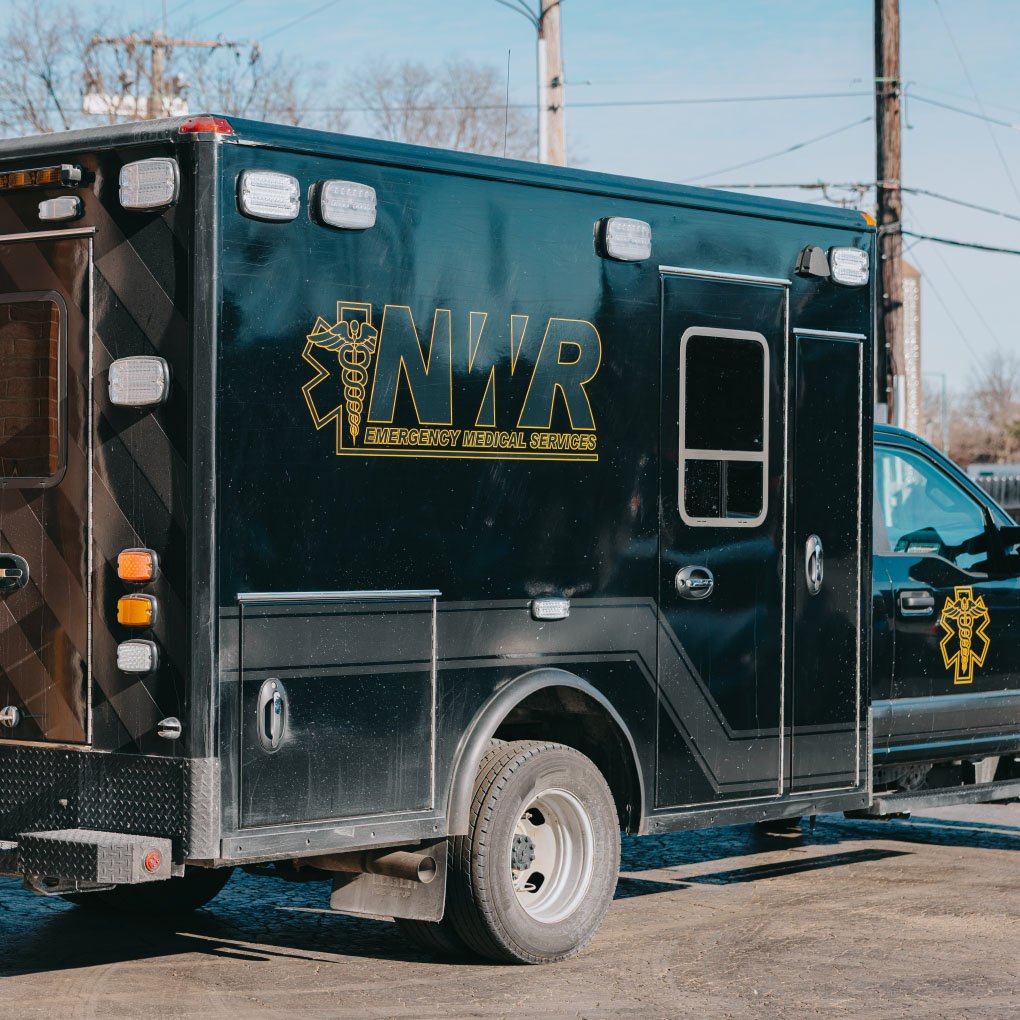
Medical Capabilities & Equipment
BLS crews are trained to recognize changes in patient condition and escalate care if necessary, providing peace of mind during transport.
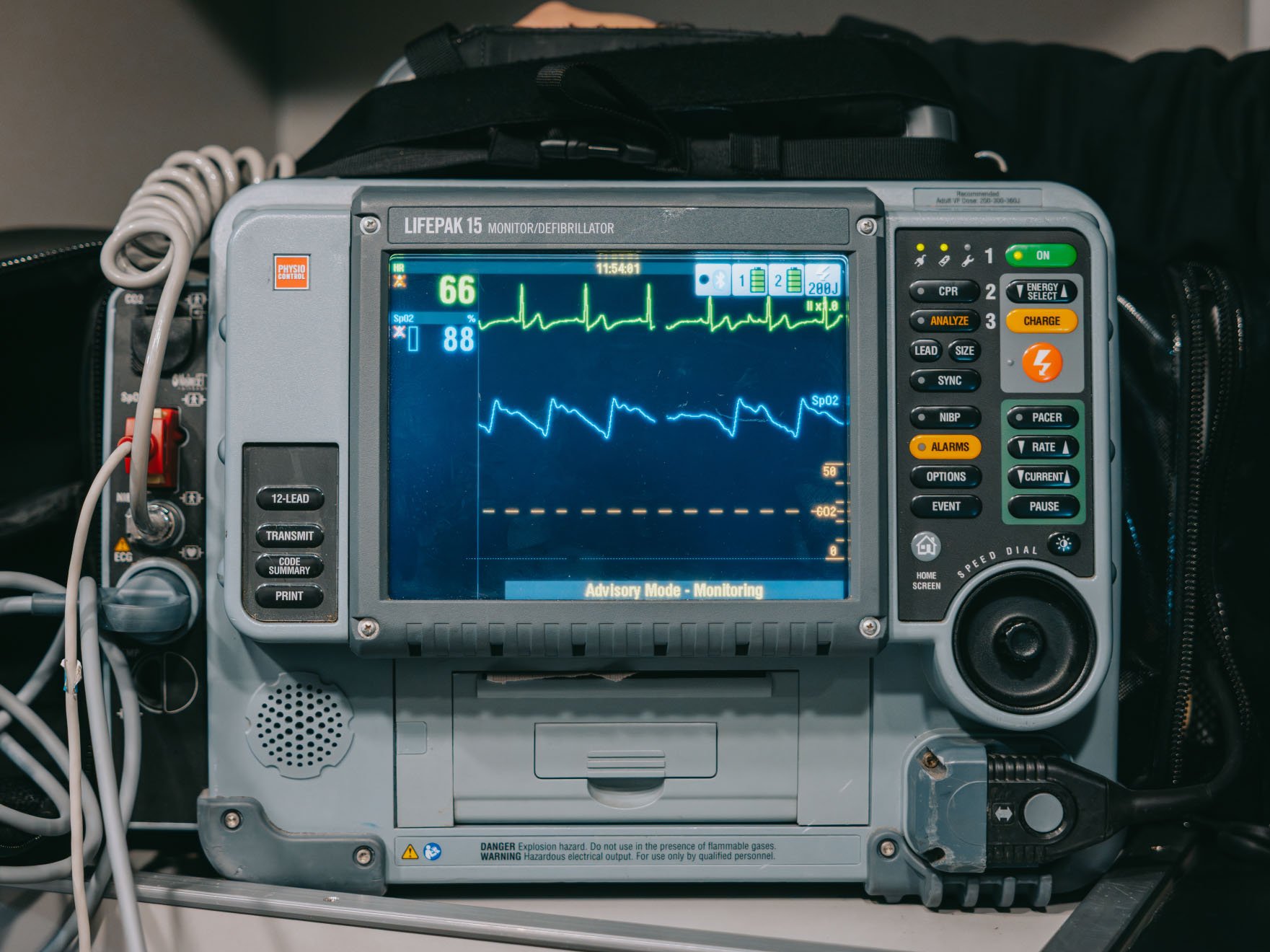

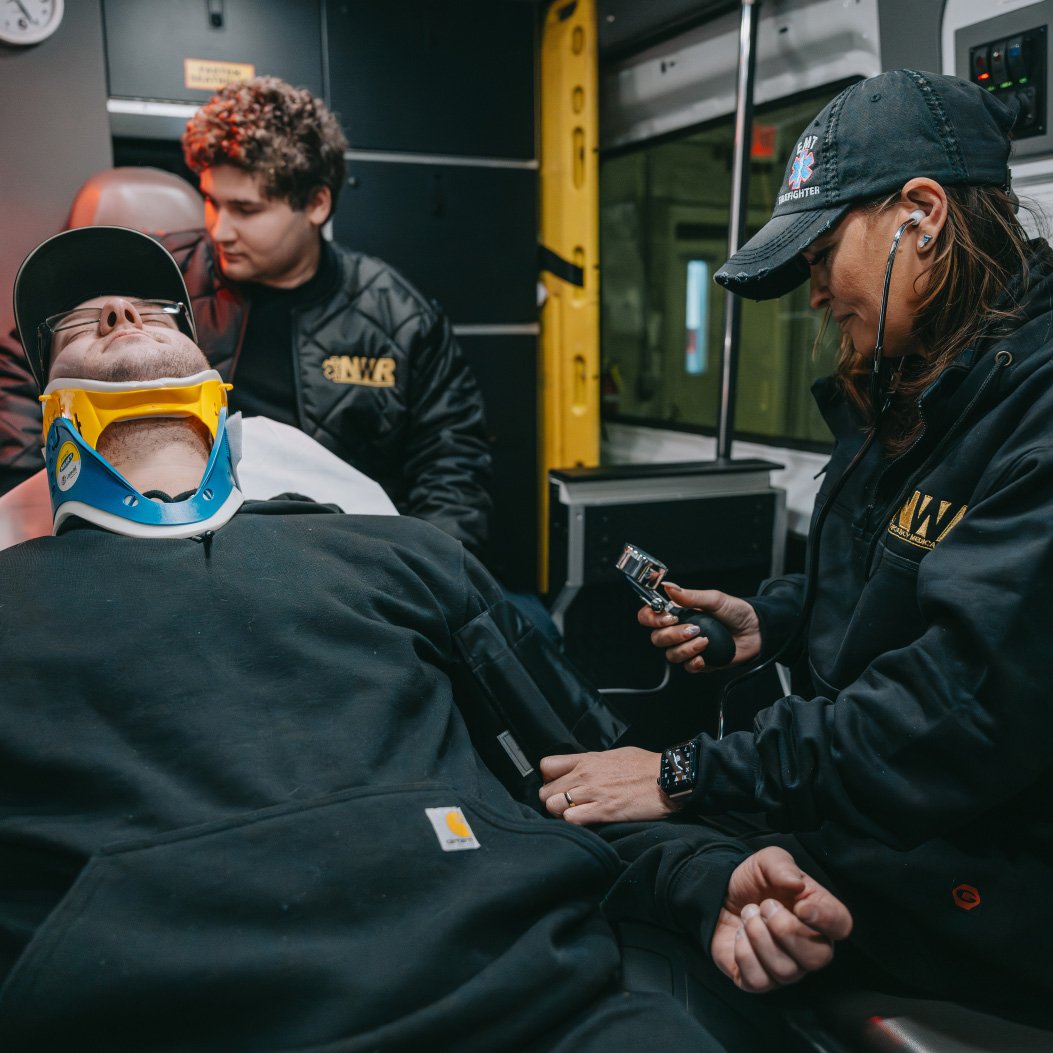
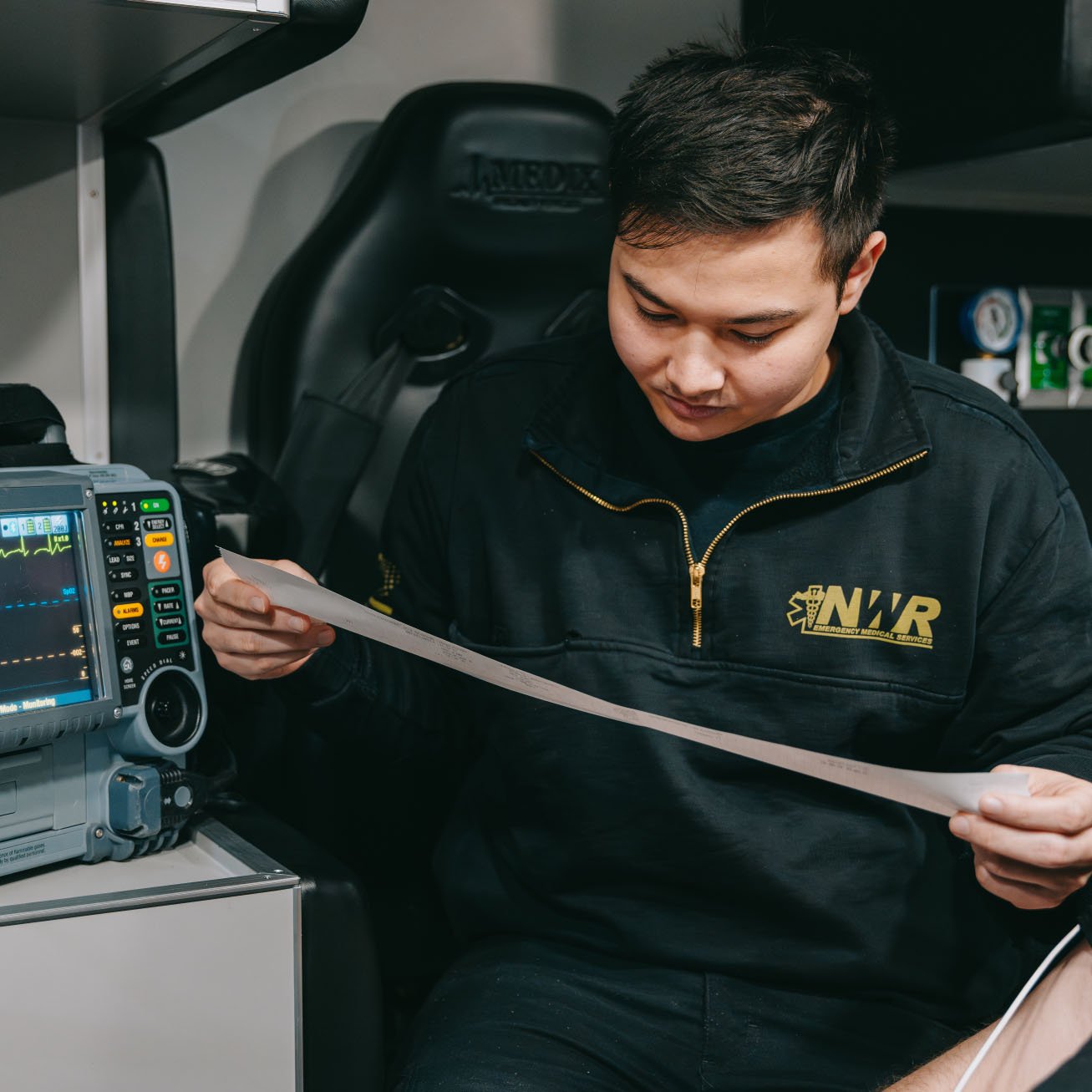
Vital Sign Monitoring
Routine monitoring of vital signs to track patient condition and identify changes during care and transport.
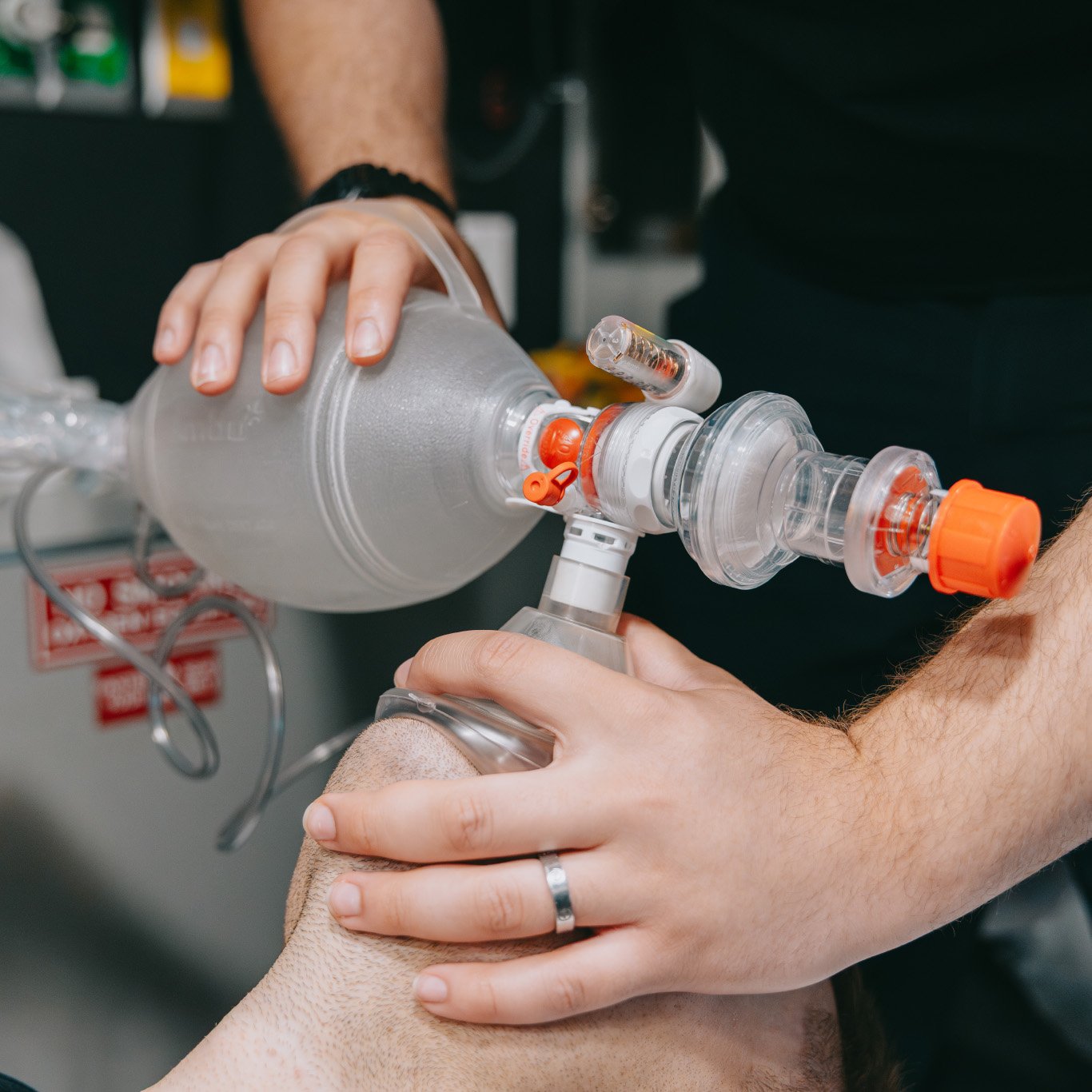
Basic Airway Support
Non-invasive airway support techniques to maintain open airways and support breathing.
Continuous Patient Observation
Ongoing patient observation to ensure safety, comfort, and timely response throughout transport.
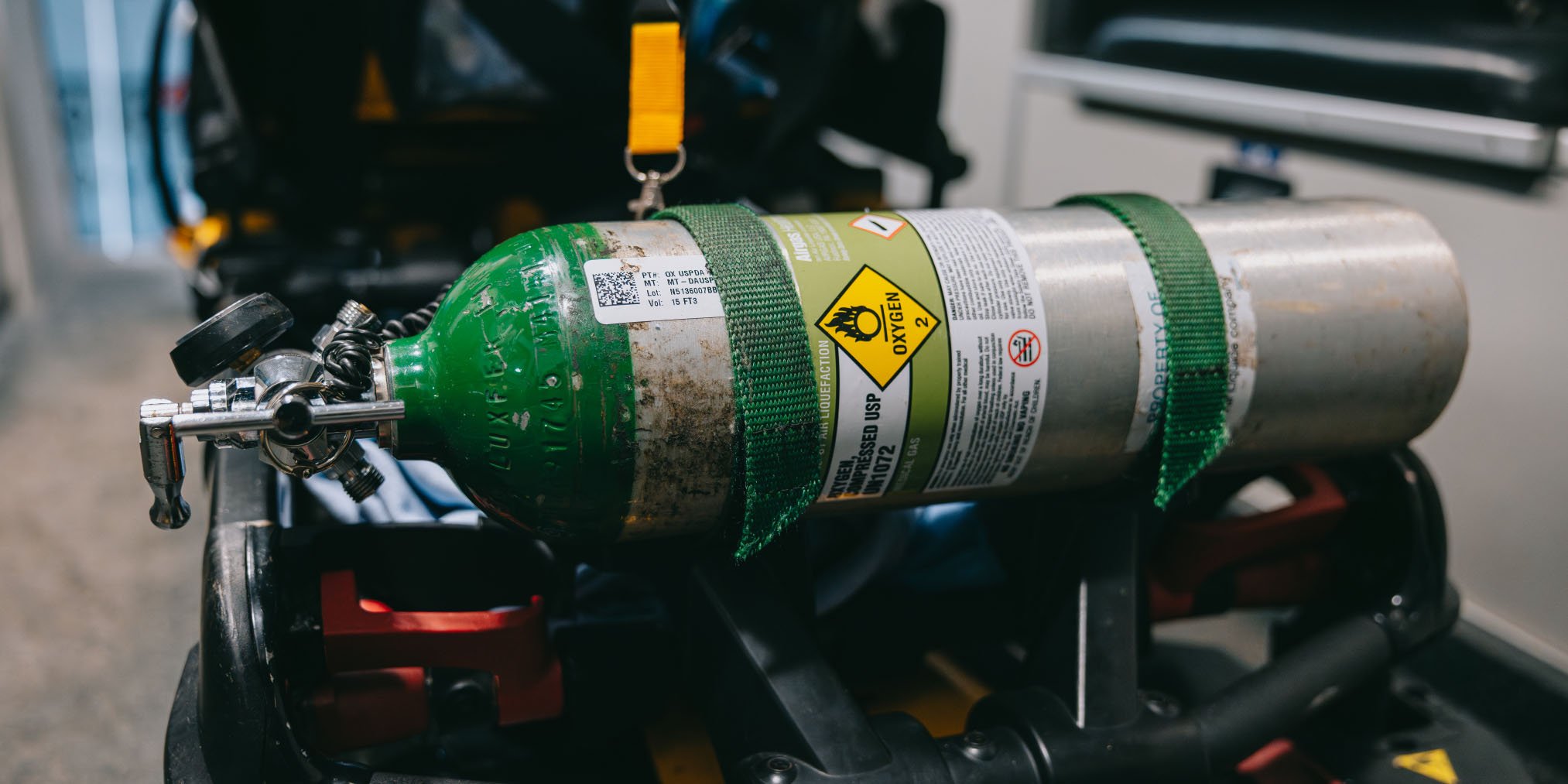

Oxygen Administration
Supplemental oxygen delivery to support breathing and maintain appropriate oxygen levels.
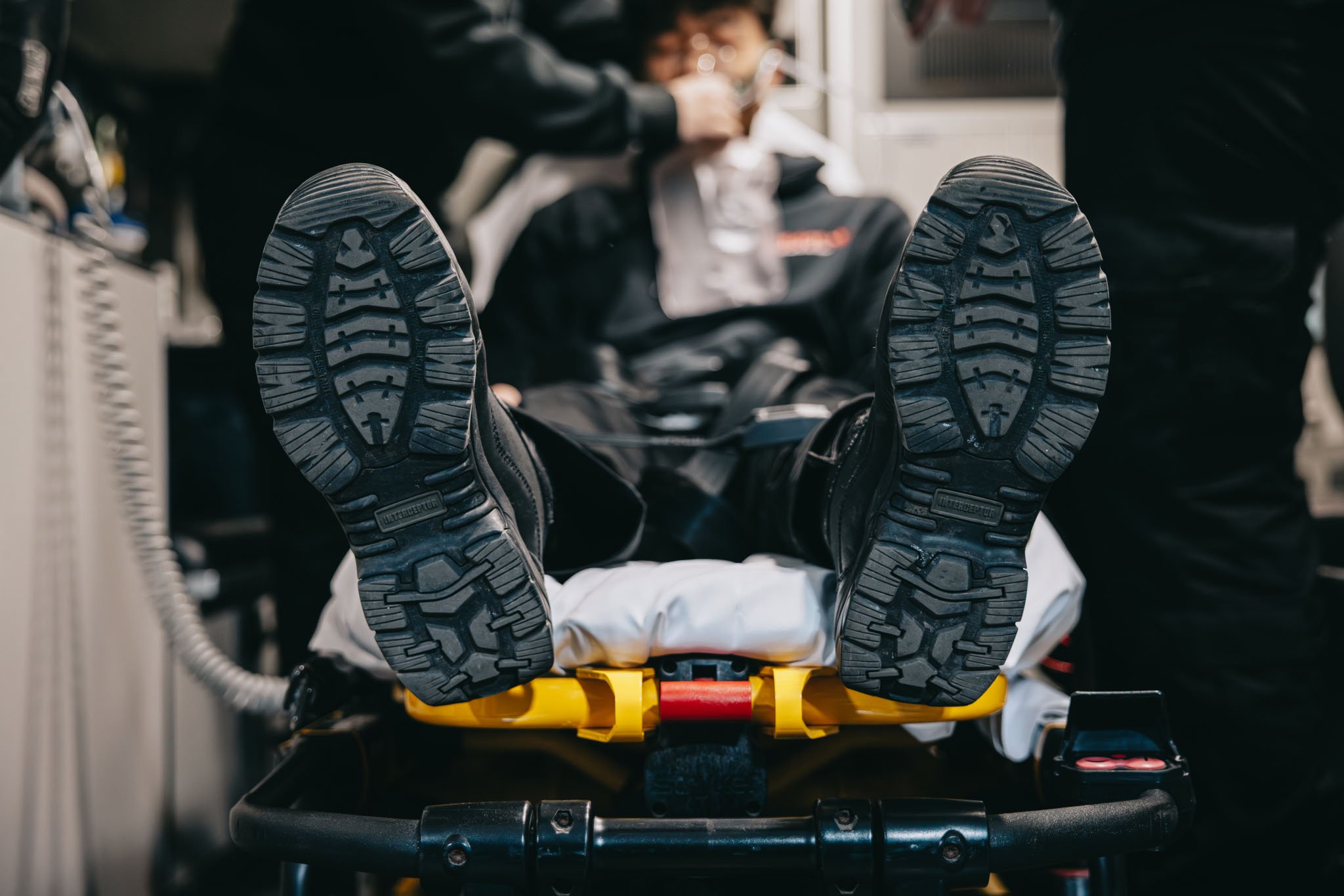

Patient Positioning & Mobility Assistance
Safe positioning and movement assistance to promote comfort, stability, and injury prevention.
Reliable Care for Everyday Medical Needs
Northwest Rescue approaches BLS transport with the same professionalism and attention to detail as our emergency services. We partner closely with hospitals, nursing facilities, and outpatient centers to provide dependable, on-time medical transport that supports patient flow and continuity of care.
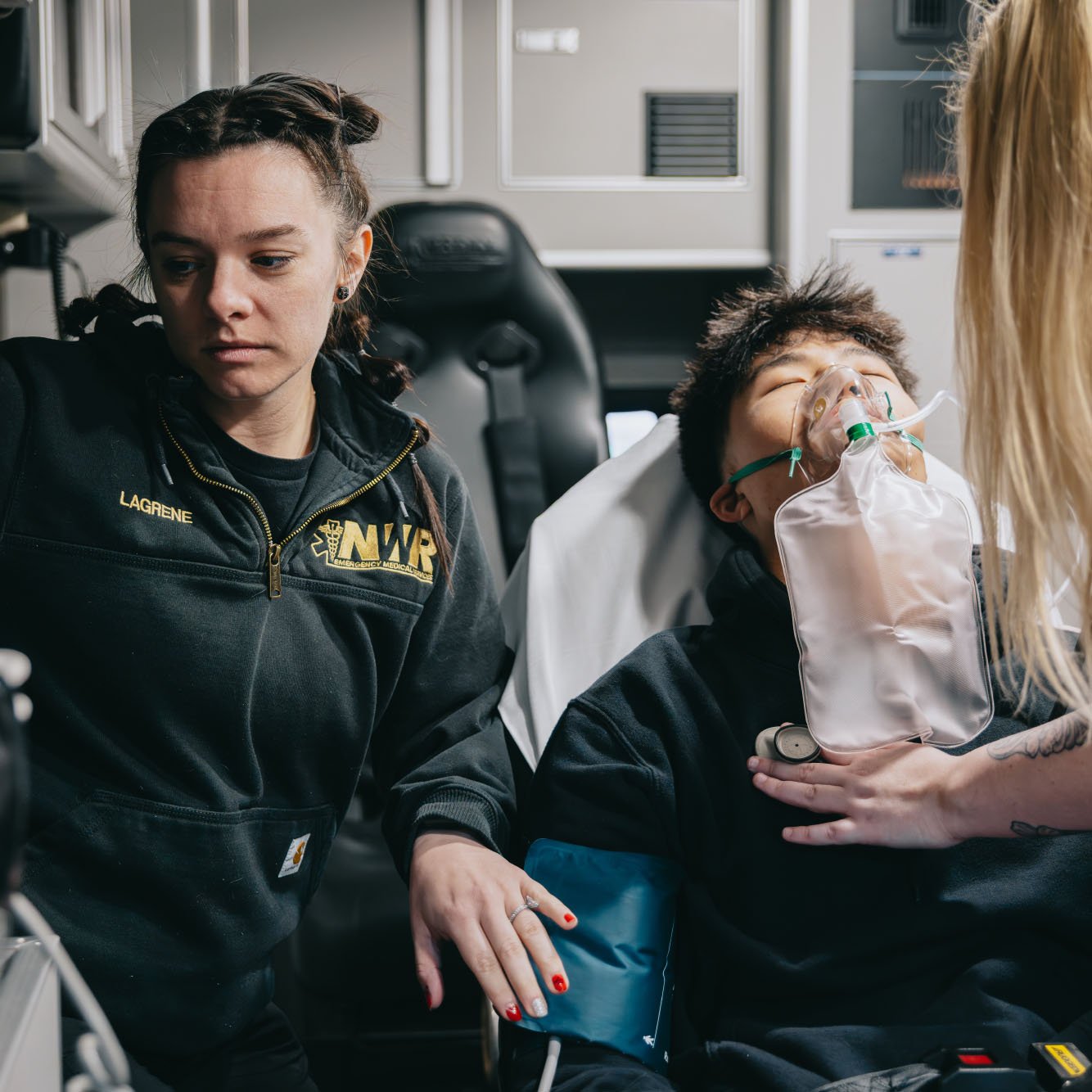
Supporting Care Beyond Basic Life Support (BLS)
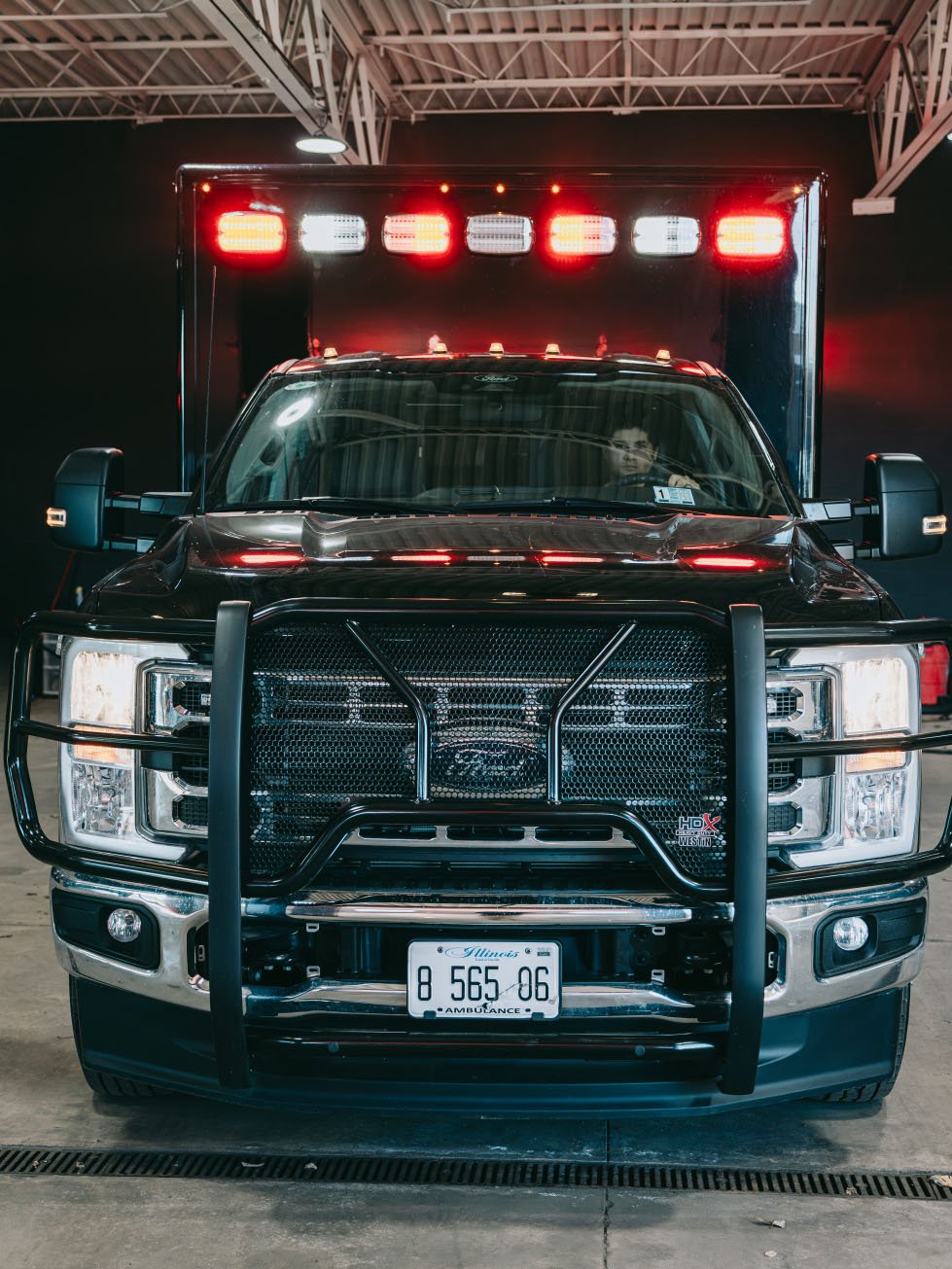
Emergency Response (911)
Rapid-response emergency medical services in partnership with local fire departments and dispatch agencies.
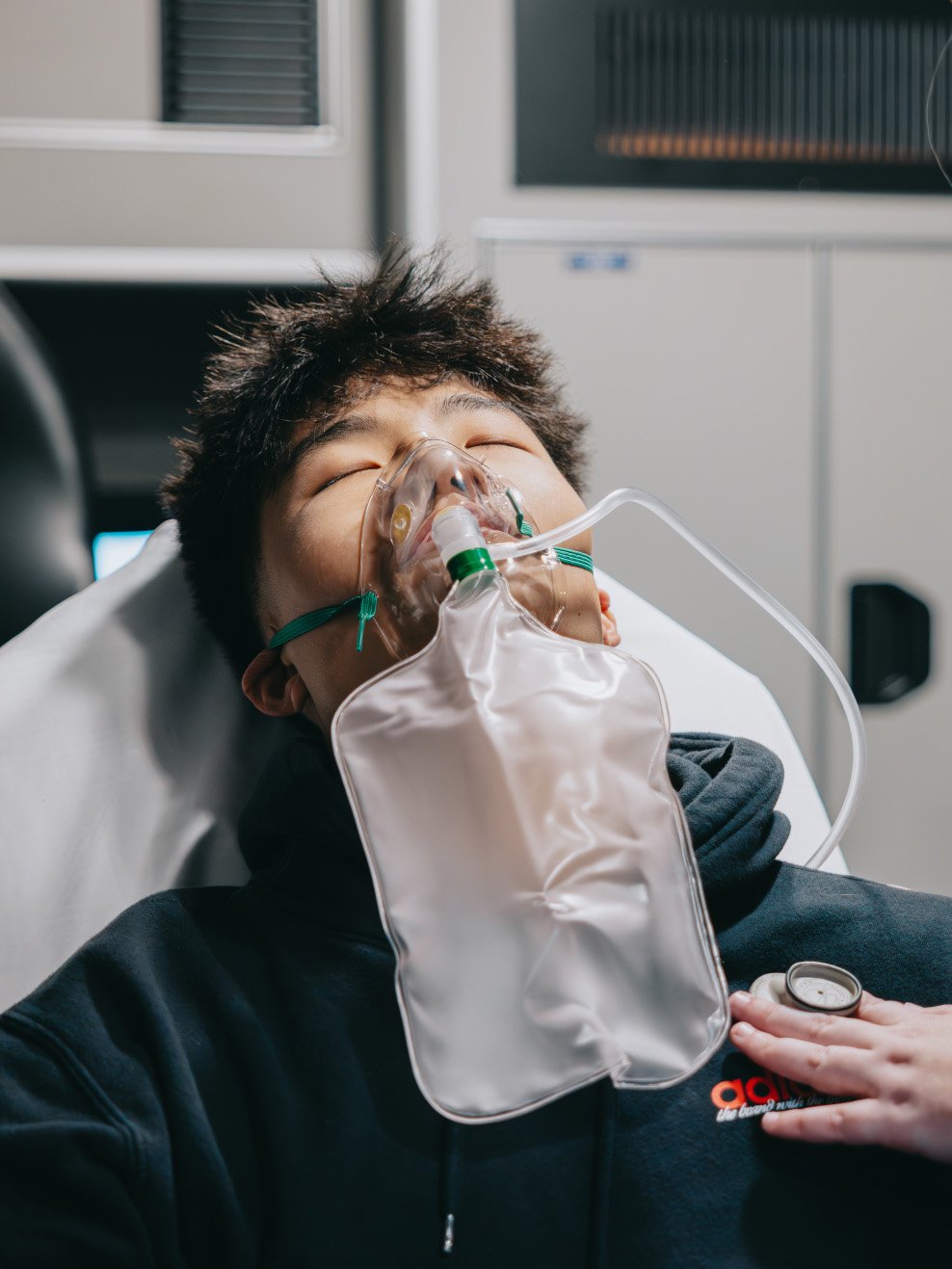
Critical Care Transport
Advanced interfacility transport for high-acuity patients requiring intensive monitoring and treatment.
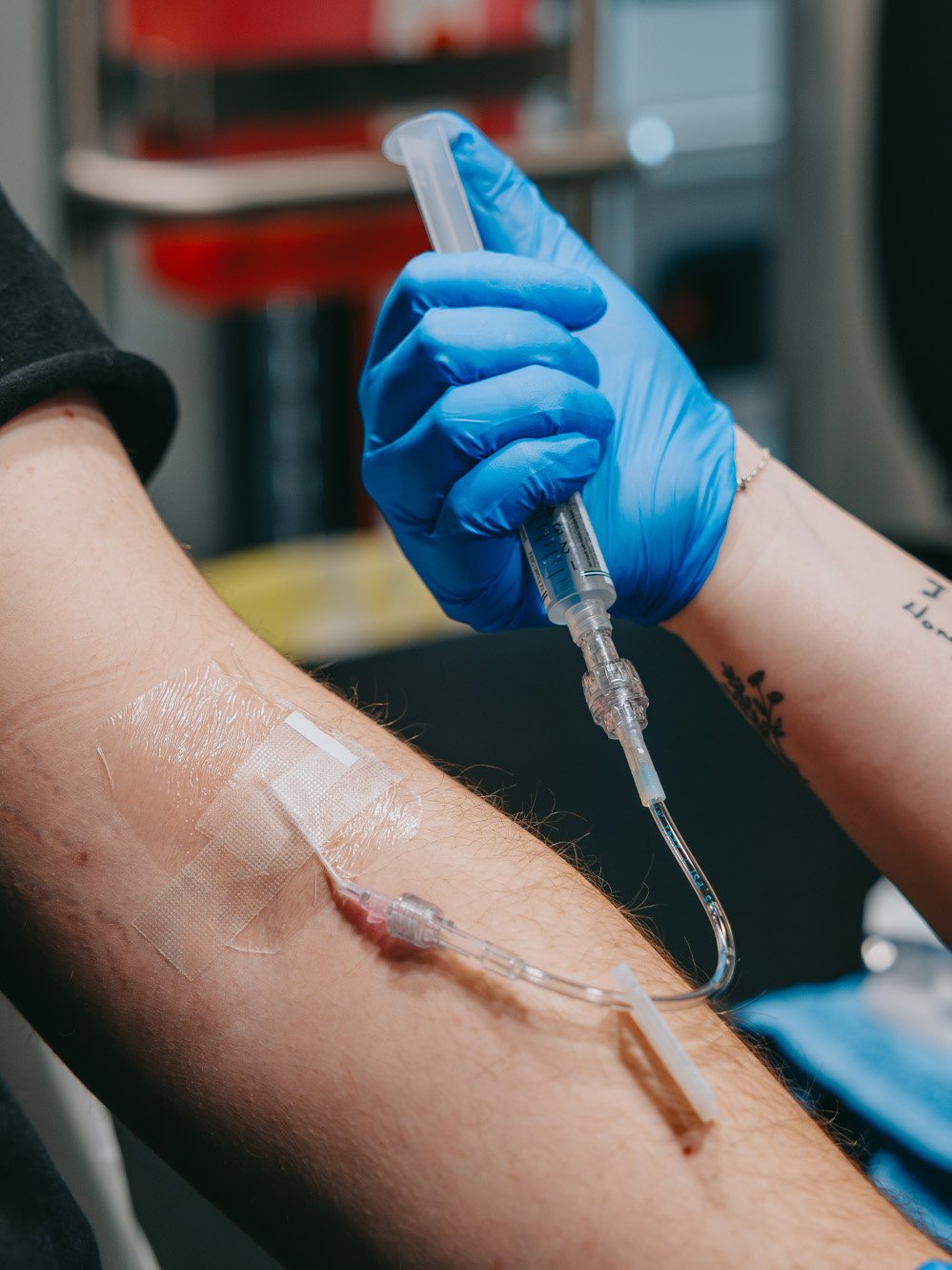
Advanced Life Support (ALS)
Paramedic-led transport with advanced diagnostics, medications, and interventions.
Need Reliable BLS Medical Transport?
Contact our team for a basic life support transport focused on patient comfort and safety.